A Hands-On Primary Science Curriculum System, Built for International Schools
Every international school wants the same thing from primary science. Children who ask brilliant questions. Teachers who feel confident at the lab bench. Practical investigation happening in every classroom, not just the one with the teacher who happens to love science. A Hands-On Primary Science Curriculum System, Built for International Schools
Junior Einsteins Science Club® was built to make that the norm. Since 2012, we have reached more than 900,000 children, and today we partner with international schools to bring hands-on, screen-free primary science into every year group.
What makes practical primary science thrive
Schools are full of good science ideas. What makes the difference is time. A really practical science lesson needs planning, a materials list, safety checks and the confidence to handle the moment when an experiment surprises everyone.
When all of that is already prepared, practical science stops depending on one person’s evenings and becomes part of how the whole school teaches.
What a Junior Einsteins primary science session looks like
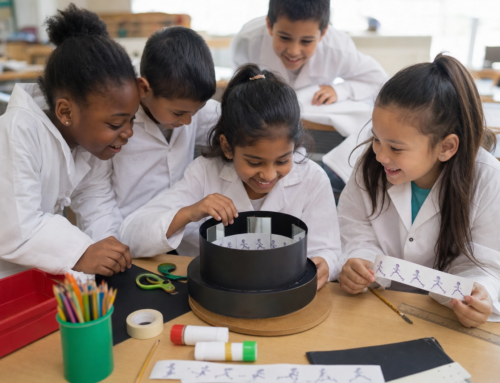
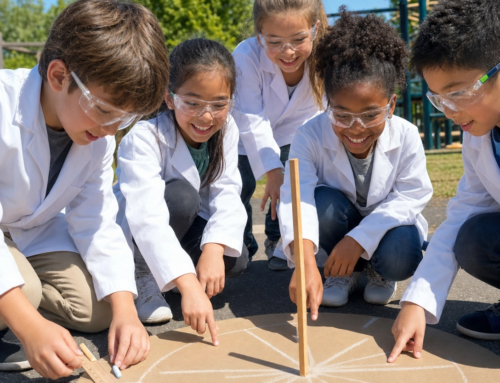
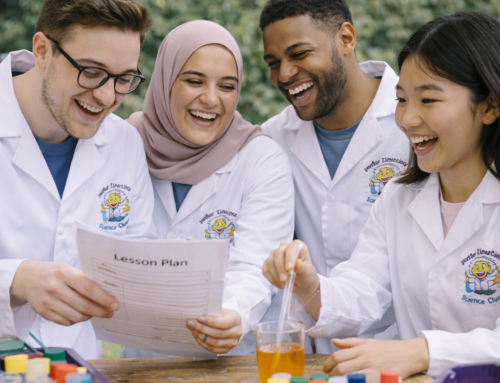
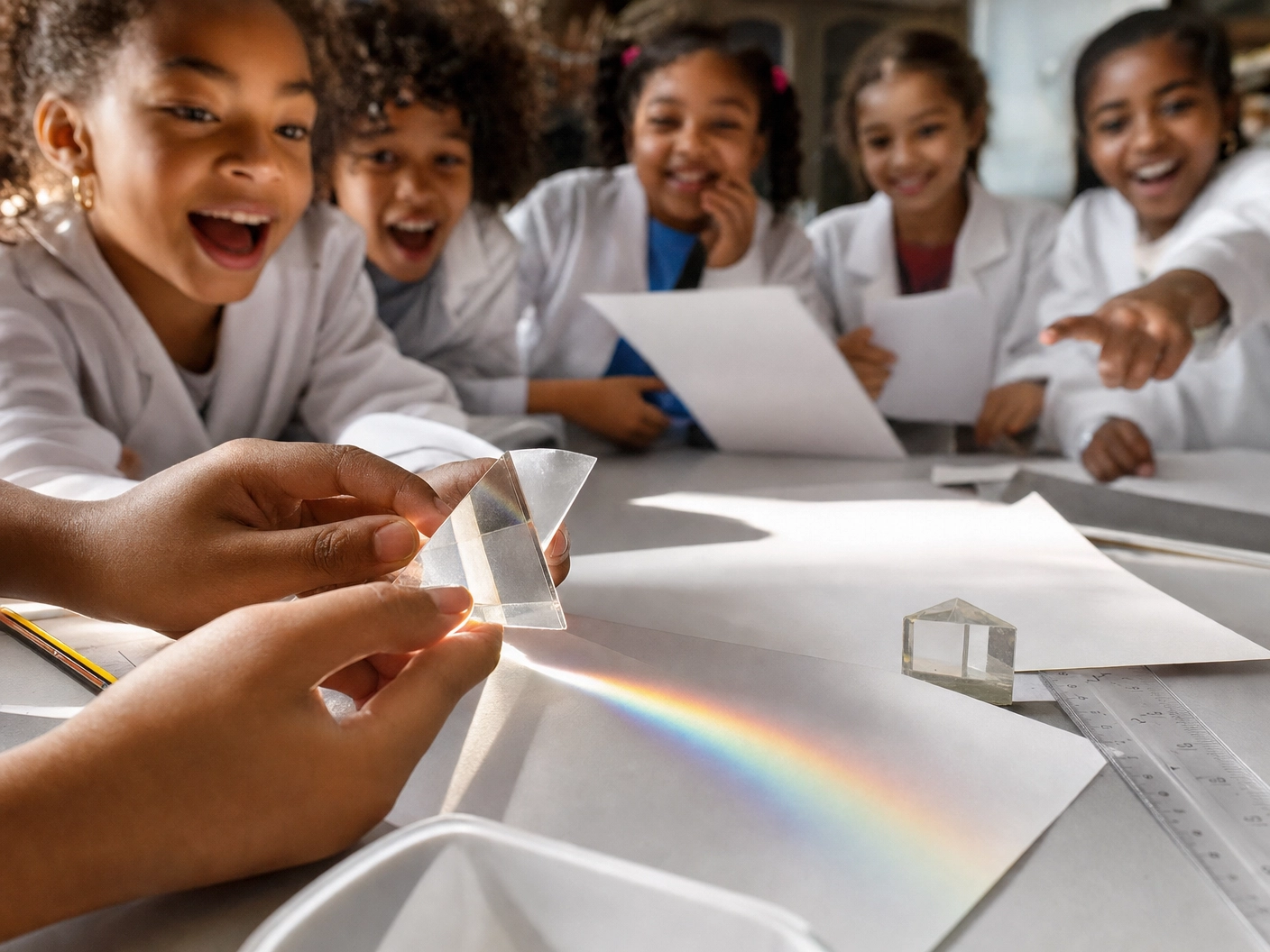
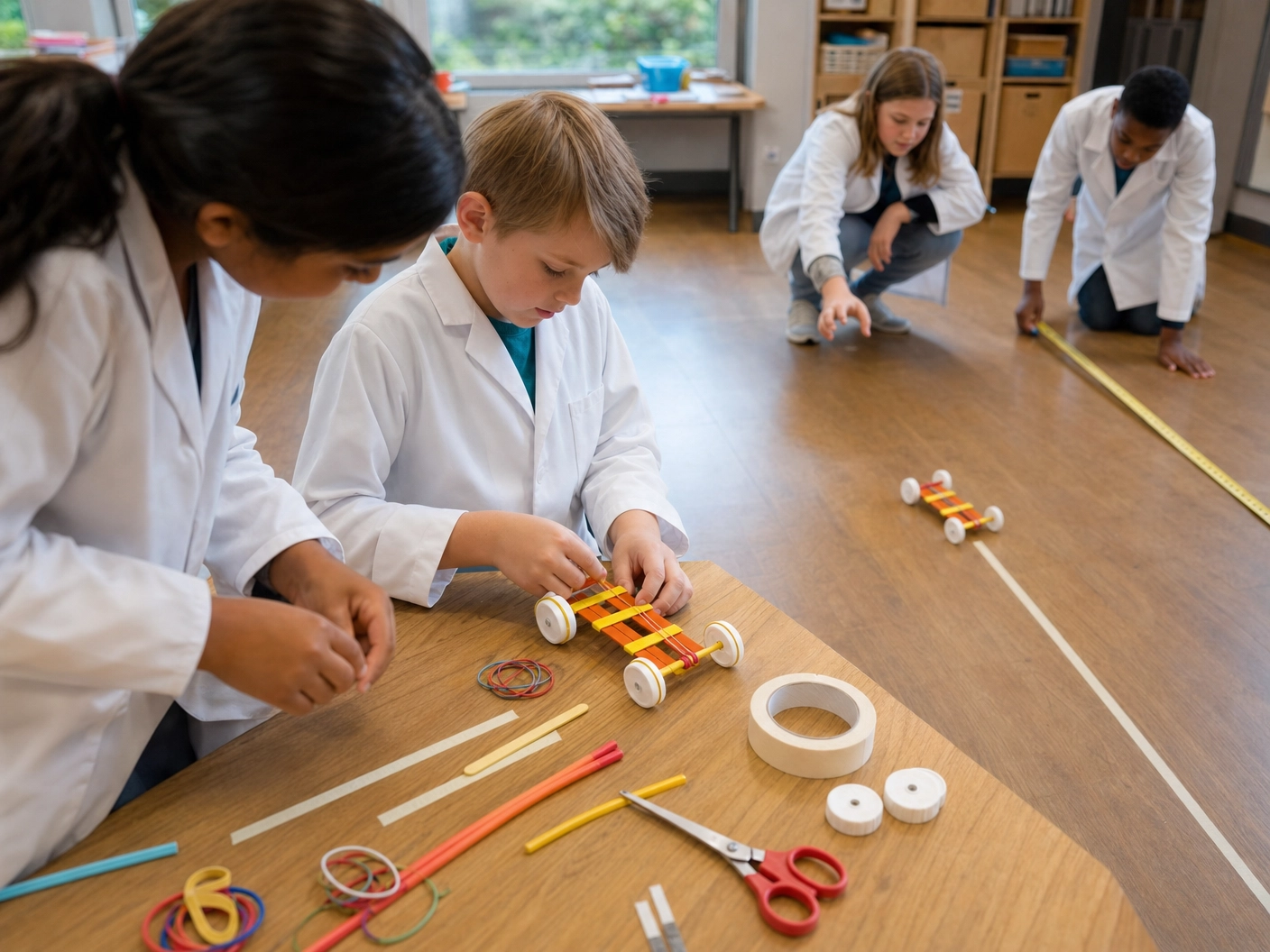
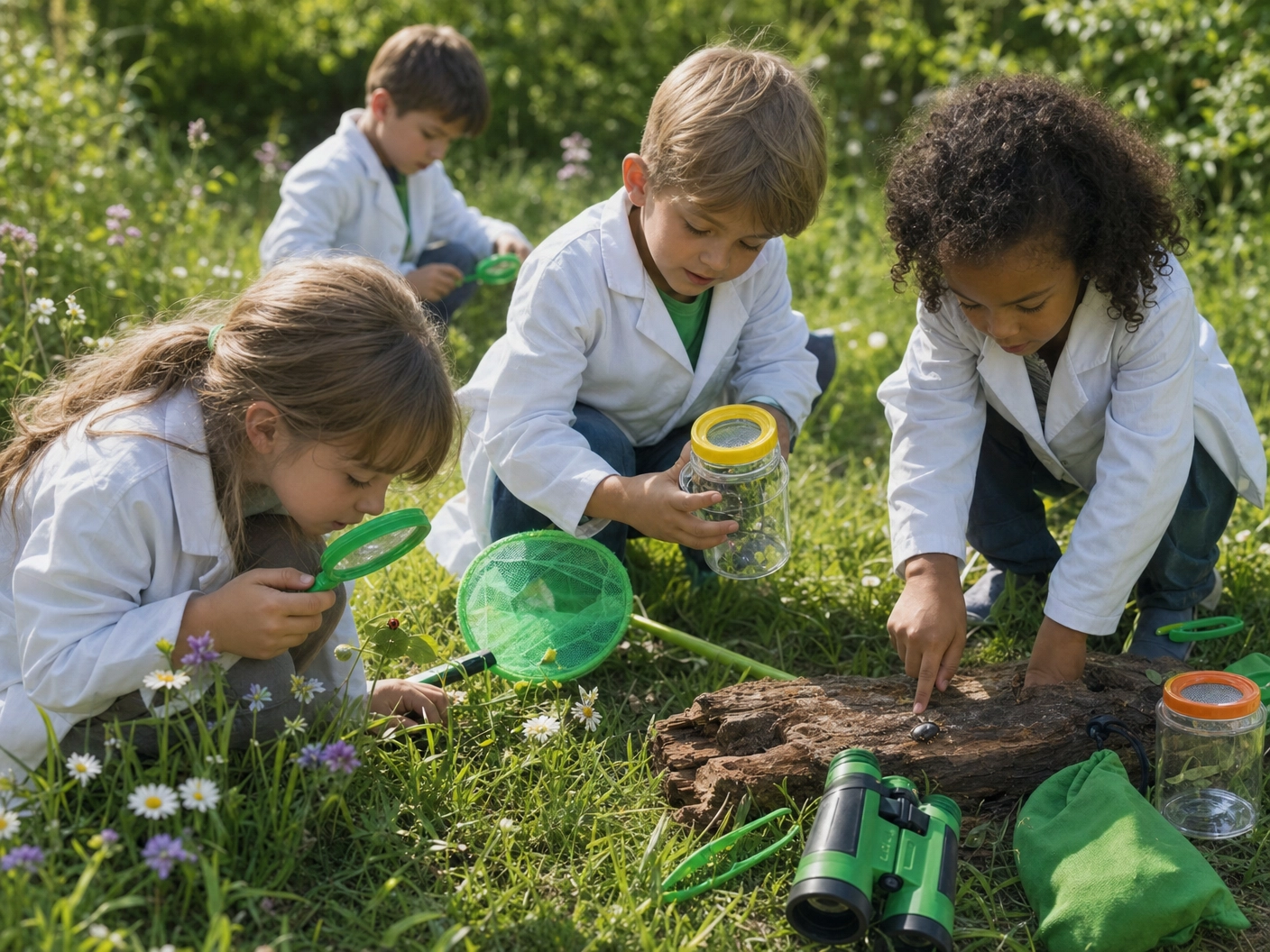
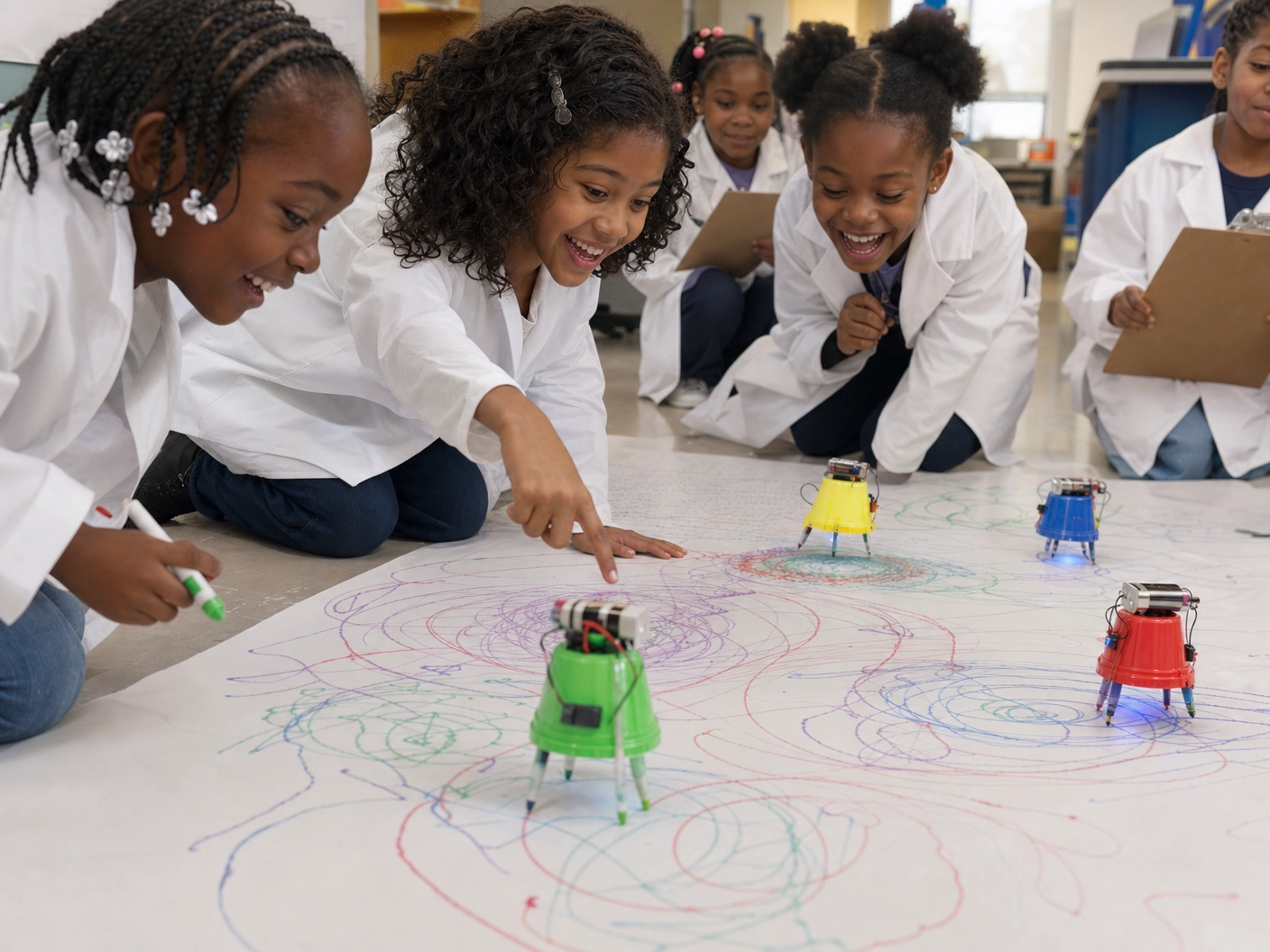
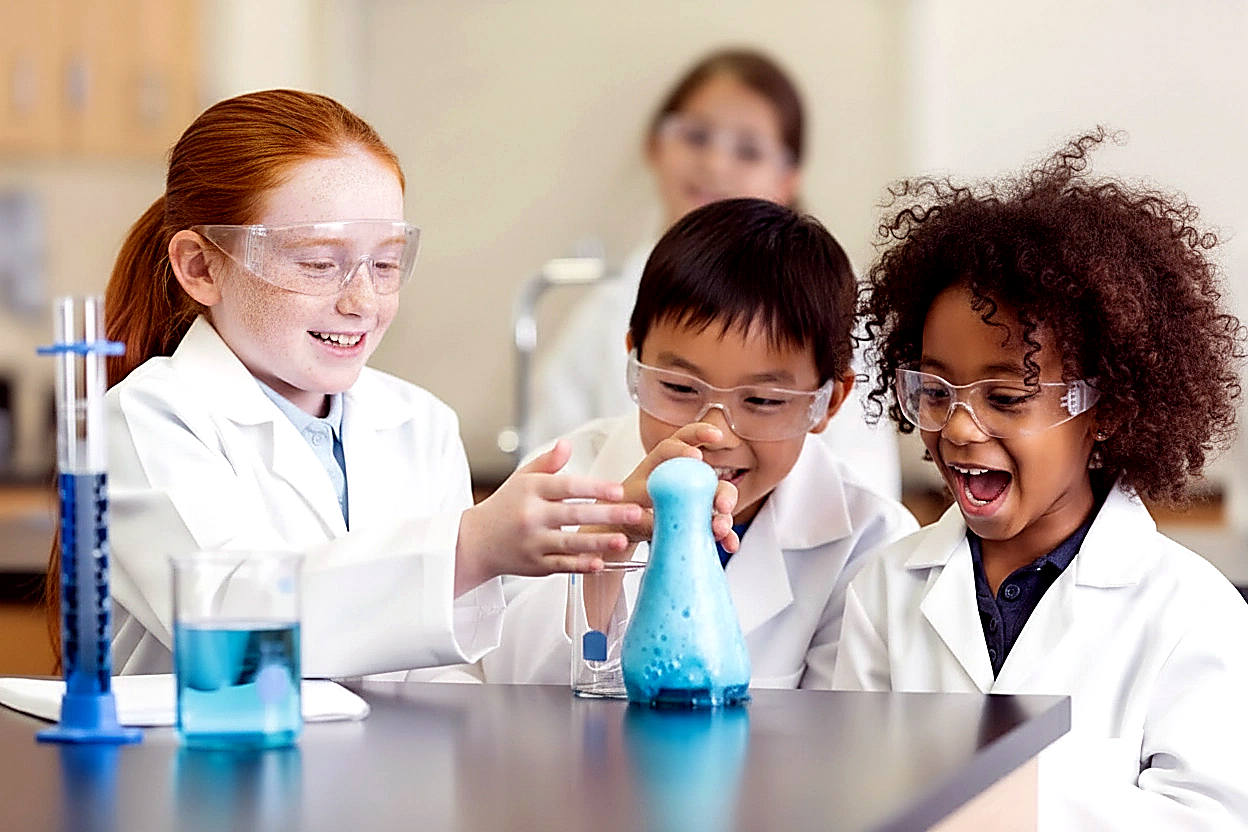
Each topic is a full 60-minute session with several experiments that build on each other, so the science deepens as the hour goes on. The children work in small groups of four or five, in lab coats and safety goggles, and every session is fully hands-on.
In Float Your Boat, children investigate Archimedes’ principle, make a sinking egg float by changing the water’s density and test how surface area affects buoyancy. In Pumping Heart, they work a model heart and feel how blood is pumped around the body. In Make Your Own Compass, they magnetise, float and align their own compass to find true north.
Every teacher receives:
- The aim and learning outcomes
- A full materials list with alternatives
- A 60-minute timing structure
- Key vocabulary
- Exact “say this” language
- Einstein Questions, with answers
- Step-by-step experiment instructions
- Safety guidance
- Extension prompts for older pupils
- Details of what the children take home
Strengthening the primary science curriculum you already teach
Junior Einsteins complements and extends your existing primary science curriculum. It strengthens scientific knowledge, enquiry and working scientifically through practical experiments that children remember.
Our sessions are mapped to the British National Curriculum, Cambridge Primary, the IB PYP, NGSS, Cognia and the Oxford International Curriculum. Because every session is built on universal scientific concepts, such as forces, energy, materials, living things and the Earth, it fits comfortably into British, IB, American and hybrid schools.
Teachers fall in love with the science first
Our session scripts are written to be read and enjoyed. They are funny and full of surprising facts and real-world connections, so teachers find them as fascinating as the children do. Teachers fall in love with the science first, and the children catch it from them.
In partnership with Trinity College Dublin, we delivered a four-week programme to around 120 children in a Dublin primary school. 100% of the teachers who responded to the survey were positive about the children’s engagement, and about their own interest in delivering the experiments with our scripts. The work received Trinity’s Engaged Teaching and Learning Award at the 2026 Civic Engagement Awards.
Two full years of weekly sessions, with no repeated topic
The library spans more than 85 sessions, covering:
- Space, flight and forces
- Light, sound and electricity
- Materials and reactions
- The living world
- The human body
- Earth science, fossils and volcanoes
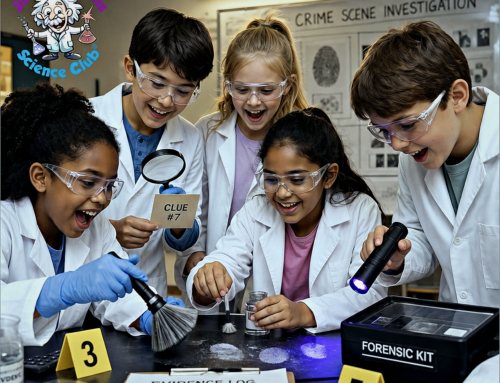
- Forensic science
- Archaeology and anthropology
- Sustainability and climate
Year Three of the curriculum is due for release in autumn 2026, so the science keeps growing with your pupils.
Frequently asked questions
Does Junior Einsteins replace our primary science curriculum?
No. It enriches and extends the curriculum you already teach, bringing it to life with practical investigation.
Do our teachers need a science background?
No. Every session is fully scripted, and staff complete certification through the Junior Einsteins Science Club® Academy, usually within four to five weeks.
Which curricula does it align with?
The British National Curriculum, Cambridge Primary, IB PYP, NGSS, Cognia and the Oxford International Curriculum.
How does the school source equipment?
Schools buy equipment locally using our illustrated sourcing guide. Most items can be reused for years.
What age range is it designed for?
The primary years, roughly ages 6 to 11. Extension prompts for older or more advanced children are built into every session.
Bring hands-on primary science to your school
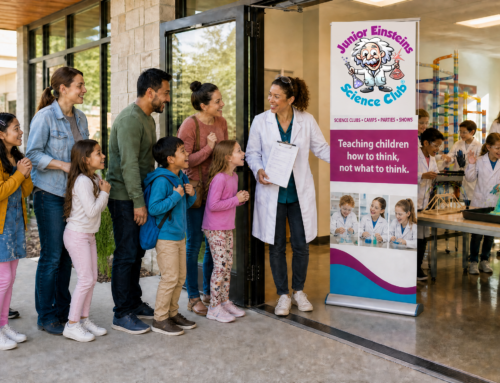
We work with international schools through a collaborative partnership, built as an annual subscription. To see how Junior Einsteins could work in your school, book a 20-minute conversation with us at educationpartnerships@junioreinsteinsscienceclub.com
View Our Presentation for International School Partnerships; https://lnkd.in/eV2EzwQ3
#PrimaryScience #InternationalSchools #HandsOnLearning #BritishCurriculum #JuniorEinsteins