The Best Science Lessons Have No Screen in Them
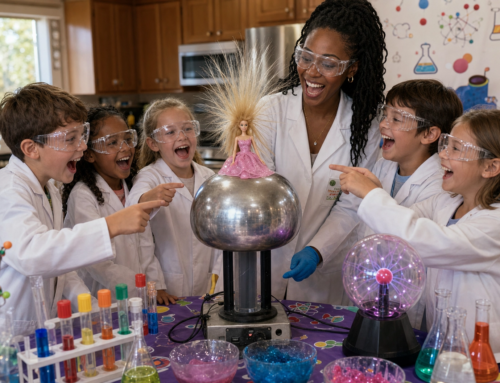
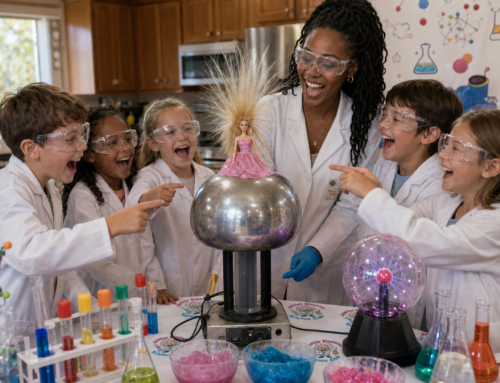
Watch a class of eight-year-olds the moment a Van de Graaff generator lifts a child’s hair straight up towards the ceiling. Nobody looks anywhere else. Nobody needs to be told to pay attention. That moment is what every Junior Einsteins Science Club® session is designed around, and it is the reason there is not a single screen in any of them.
We have been screen-free primary science since the very beginning in 2012. It was never a trend for us. It was simply how children learn science best: with their hands, with each other, and with a real question in front of them.
The evidence is catching up
UNESCO’s 2023 Global Education Monitoring Report found “little robust evidence on digital technology’s added value in education”. It also found that the mere presence of a mobile device distracted students and affected their learning in 14 countries. The OECD’s PISA 2022 results showed that students distracted by other pupils’ devices scored 15 points lower in mathematics. Sweden, once a champion of the digital classroom, is now investing heavily in printed books and handwriting, on the principle that core skills come first.
Active learning has its own evidence base too. A landmark analysis of 225 studies, published in the Proceedings of the National Academy of Sciences, found that science students taught through traditional lectures were 1.5 times more likely to fail than those who learned actively.
This is not about rejecting technology. Our teachers train through the Junior Einsteins Science Club® Academy, the primary science and STEM platform for international schools. Technology supports the adult. The children get the real thing.
Wonder first, explanation second
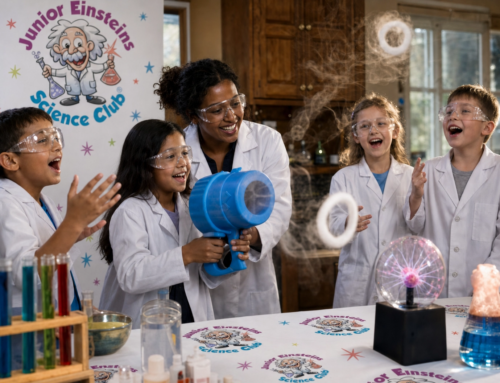
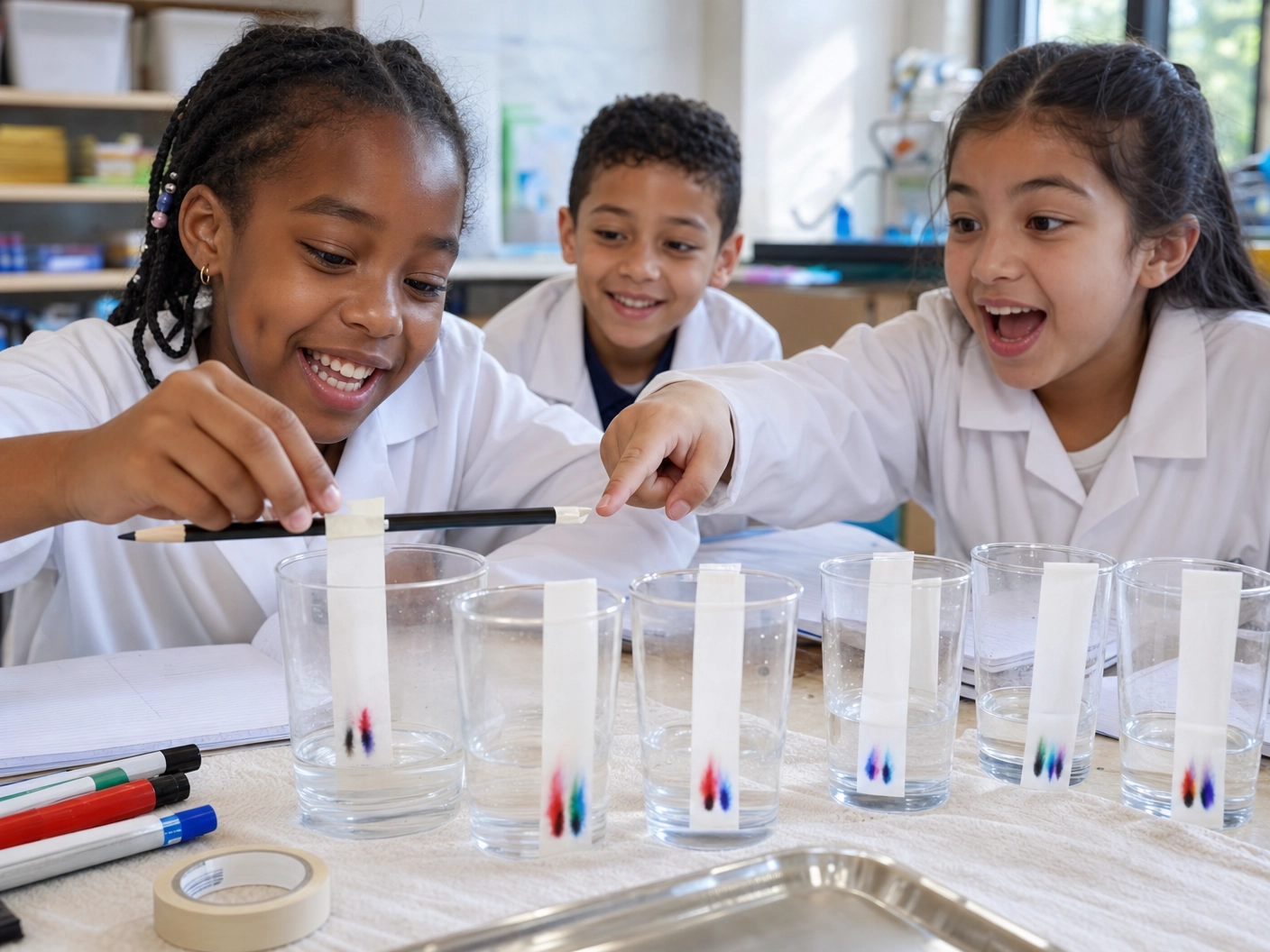
Every session opens with a Hook, a live phenomenon that makes the room gasp before anyone explains a thing. Then come the Einstein Questions, written to start a friendly argument. Will a heavier ball really fall faster? Who wants to bet? Junior Einsteins predict, test, gather evidence and change their minds. That is inquiry-based learning as scientists practise it, not as a worksheet describes it.
Mistakes are part of the method
The bridge collapses. The rocket veers left. The water filter lets the muddy water straight through. Every script carries the same line: in real science, a failed experiment is not a disaster, it is a clue. Children learn to look at what went wrong, work out why, and try again. That resilience stays with them long after the session ends.
Teamwork and leadership, built into the room
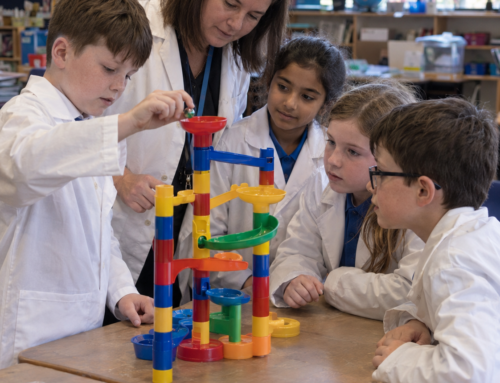
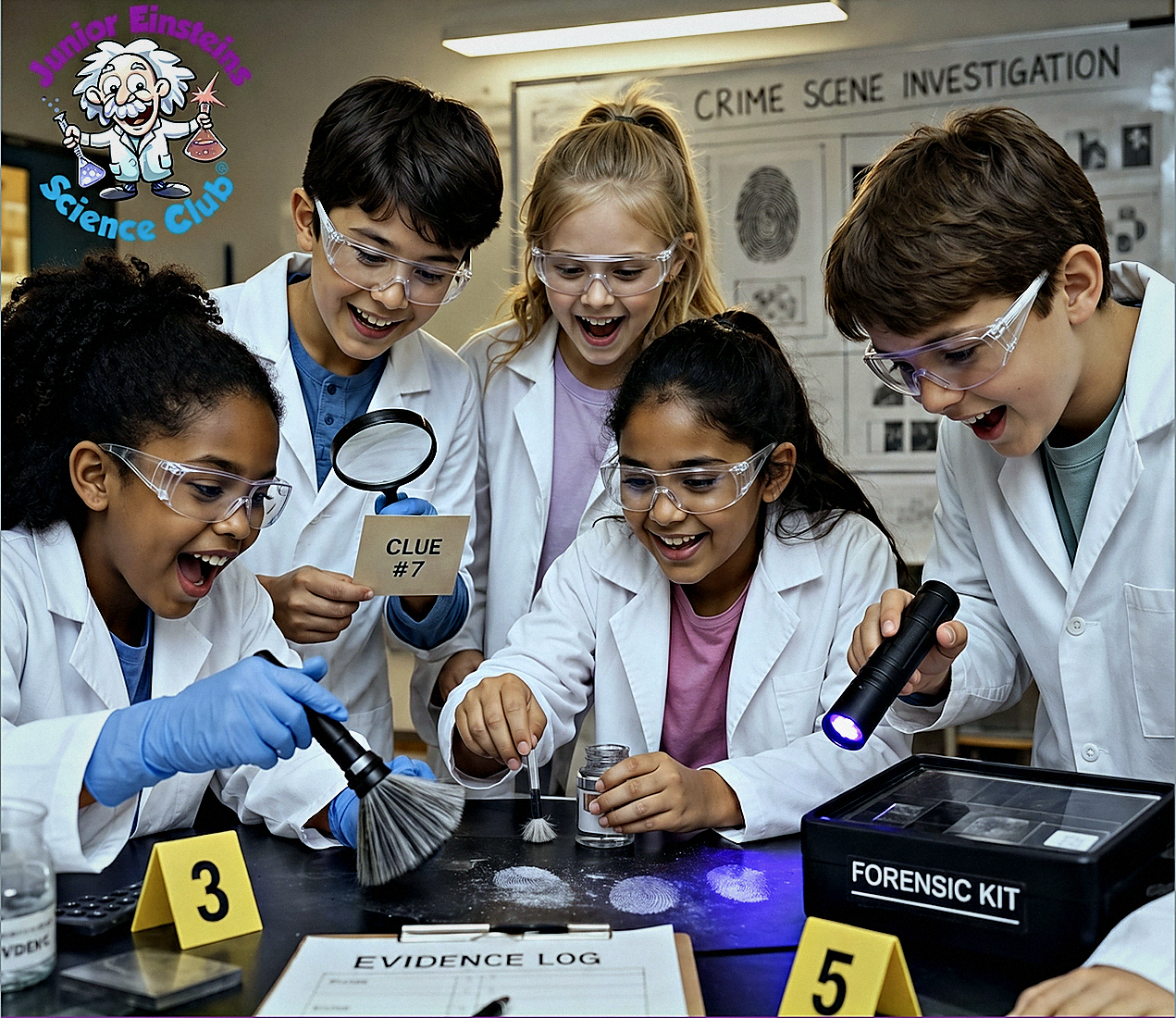
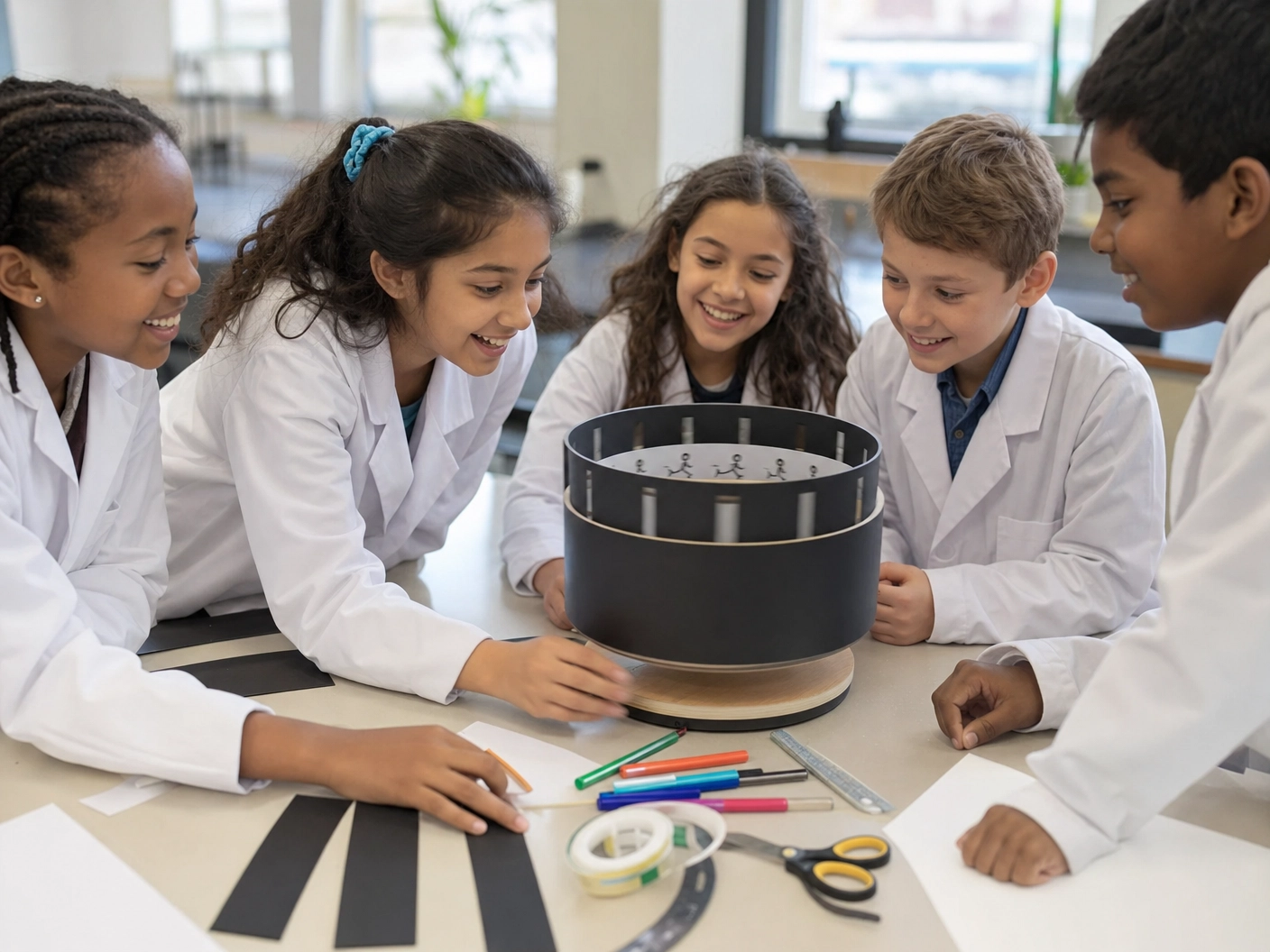
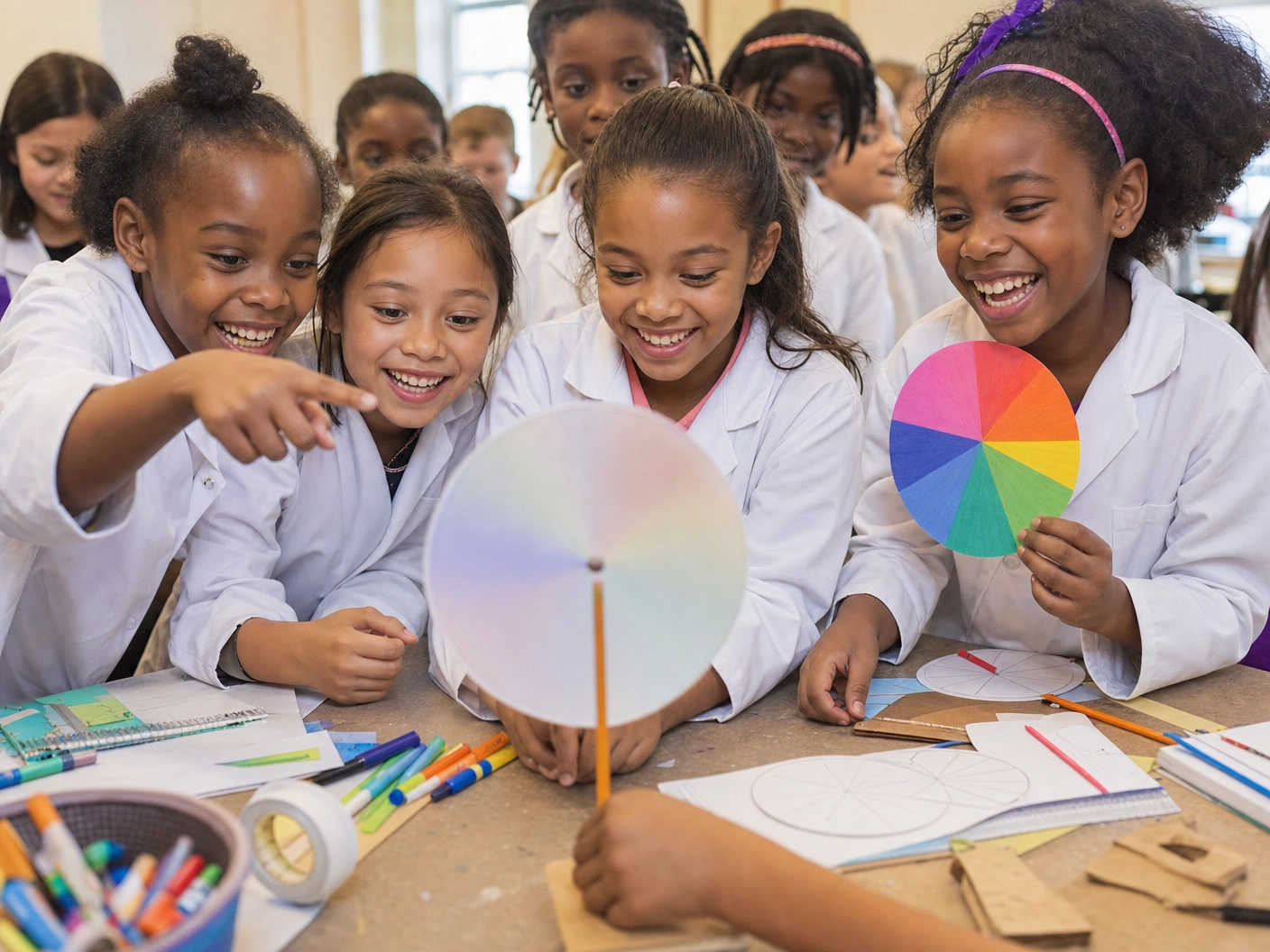
Junior Einsteins always work in small groups of four or five, in lab coats and goggles. Roles rotate between activities, so every child takes a turn leading. The quiet child gets to direct the build. The confident child learns to listen. Nobody sits at the back watching someone else have all the fun.
What the Cognia STEM standards describe
Cognia accredits schools around the world, and its Performance Standards for STEM Certification set out what excellent STEM learning looks like. Read them closely and they describe a Junior Einsteins session:
- Standard 6: “Learners engage collaboratively in authentic inquiry during ongoing units of study.”
- Standard 7: “Learners engage in self-directed STEM learning guided by professional staff members who are effective facilitators of learning.”
- Standard 8: “Learners benefit from a formal structure of within-school and extracurricular opportunities to extend STEM learning.”
- Standard 9: “Learners demonstrate their learning through performance-based assessments and have opportunities to develop self-assessment and self-monitoring skills.”
Collaborative inquiry, teachers who guide rather than lecture, and learning that carries on from the classroom into the After School Science Club. Reflection and self-assessment close every session. These are not extras we bolted on. They are how the sessions are built.
One programme, three ways to use it
Junior Einsteins Science Club® is a complete primary science curriculum system, full hands-on STEM provision, and After School Science Club® enrichment, all in one programme. It enhances and strengthens a school’s existing primary science curriculum with practical experiments. Engineering challenges, from Engineering Bridges to Tensegrity towers, connect that science with design and problem-solving. And the same equipment and trained staff can run it as an ECA or co-curricular club.
Every session is scripted word for word, funny and packed with surprising facts. Any teacher can deliver it with confidence, no science degree needed. When we delivered the programme with Trinity College Dublin in a DEIS primary school, 100% of teachers who responded were positive about how engaged their pupils were. They were just as positive about their own enjoyment of delivering it.
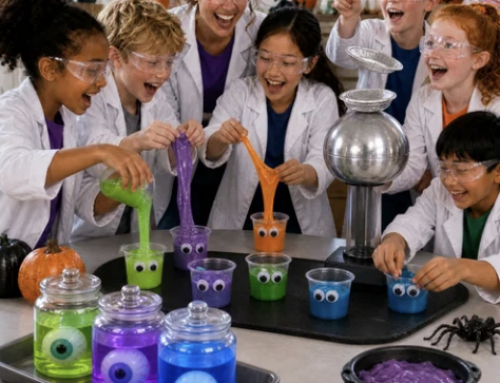
Slime stretching. Fossils cast by hand. Rockets launching across the yard. Over 900,000 Junior Einsteins and counting, and not one of them needed a screen to fall in love with science.
If you would like to bring screen-free, inquiry-based science to your school, We would love to hear from you at educationpartnerships@junioreinsteinsscienceclub.com, or explore more here: https://doc.storydoc.com/ndc624
Explore • Engage • Empower
#ScreenFree #InquiryBasedLearning #PrimaryScience #STEMeducation #InternationalSchools #IBPYP #HandsOnScience #JuniorEinsteins