After-School Science Clubs. Years of Science every week , Nothing Ever the Same Twice
Your child walks in on Monday and builds a bridge that holds weight. Wednesday, they are lifting real fingerprints from a crime scene. Friday, they are making slime from polymers. The following week, the curriculum shifts entirely. Next week, something completely different happens.After-School Science Clubs. Years of Science every week , Nothing Ever the Same Twice
This is what Junior Einsteins After-School and Saturday Science Clubs really are. Not activities to fill the time. An education in how to think.
The Breadth Is the Point
We run after-school science clubs weekly, Monday through Friday, at primary schools. Some franchisees also run Saturday clubs in community spaces. Either way, your Junior Einstein, aged 6 to 12, gets access to years of curriculum. No topic repeats. Ever.
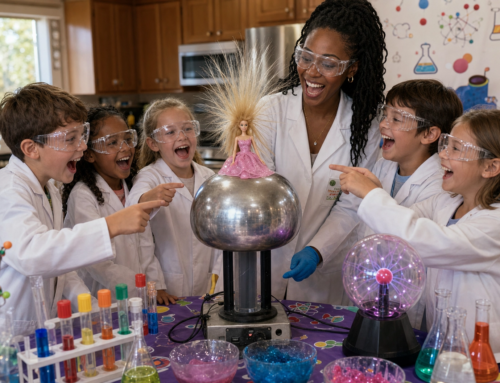
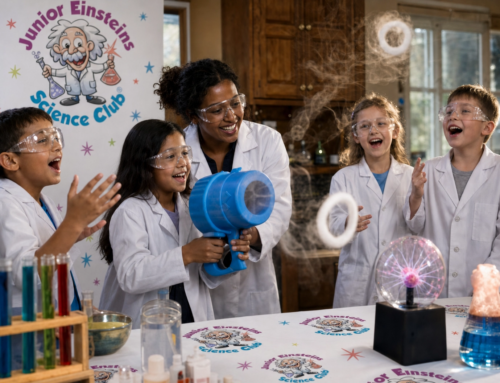
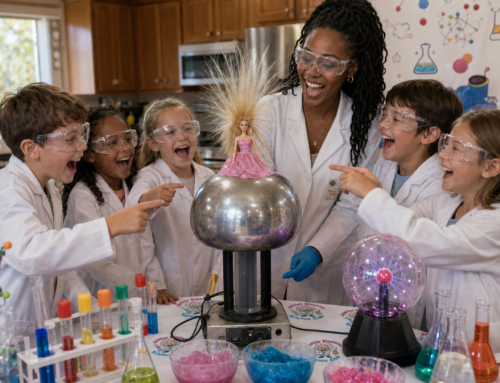
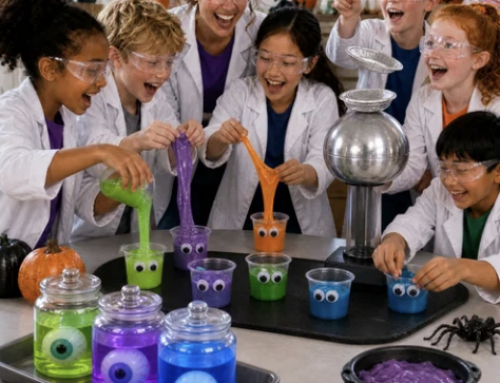
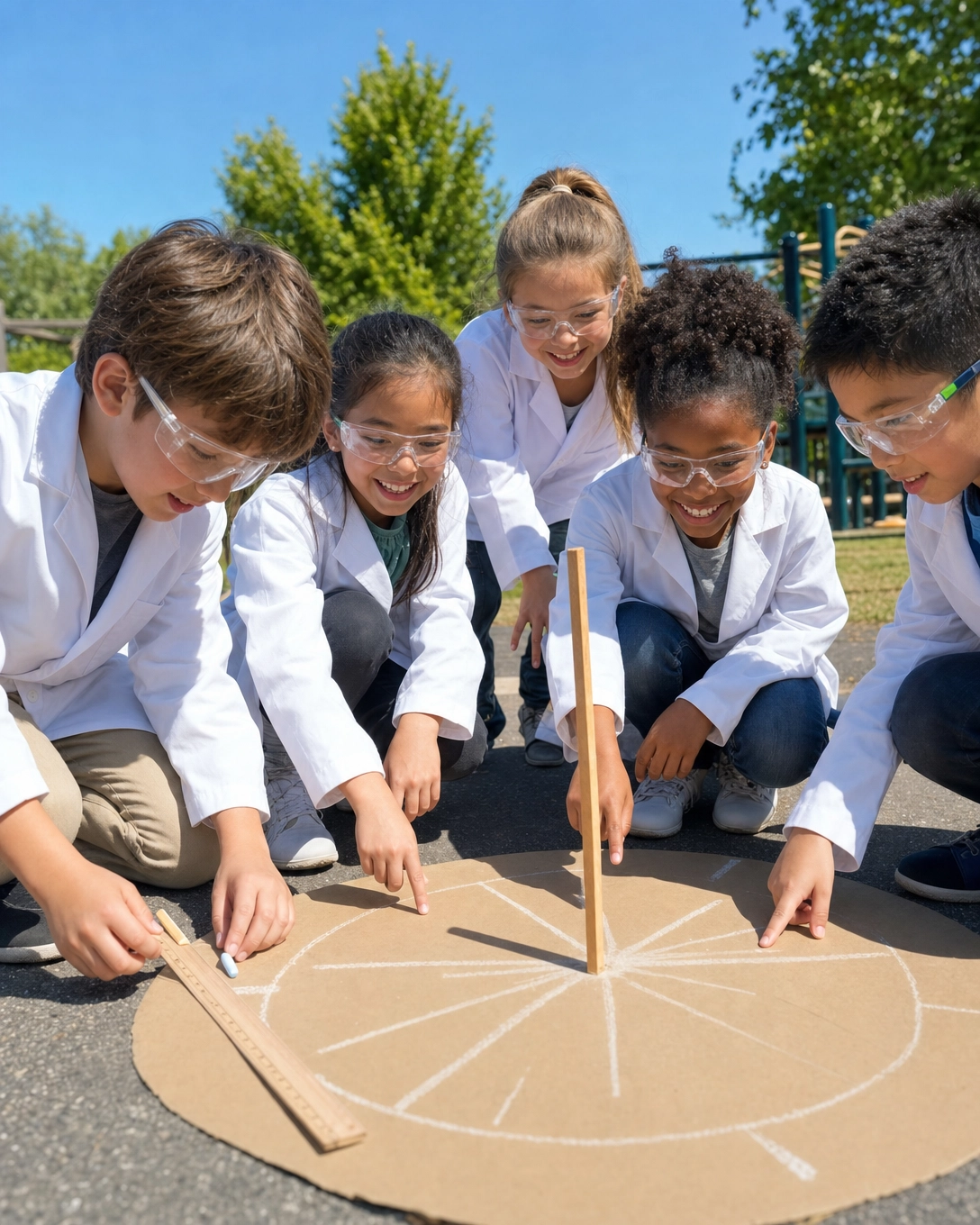
Week one might be Slimy Slime, polymers under a microscope. Week two, Blubber Gloves, exploring how animals survive in extreme temperatures. Then comes Light the Lightsabre, quantum physics with a Van de Graaff generator that makes their hair stand on end. Forensic Crime Scene investigations. Create Your Own Freaky Fossil. Engineering Bridges. Make Your Own Compass using magnetism. Pumping Heart to understand how blood circulates. Crusty Old Earth, digging into geology. Rocket Races. DNA Banana Split. Dr Bones and real skeletons. Volcano experiments. Bernoulli’s Flying Machines and the science of flight.
And that is just scratching the surface. The curriculum keeps going: Brain Olympics using neuroscience, RoboCreators where they build working robots, TechInsect labs, CSI Detectives, Plasma Balls, Bioluminescence, Pond Explorers, Disaster Defenders building storm-proof structures, Solar Oven Engineering, Pneumatics, Periscope building, Spectrometers. They learn Marvellous Magical Maths through science. They explore the Solar System and train as Junior Astronauts. They do Biomimicry, studying how nature solves problems. Sonic Science, The Science of Fire, Climate Quest, Tensegrity Engineering.
Every. Single. Topic. Different.
How They Learn
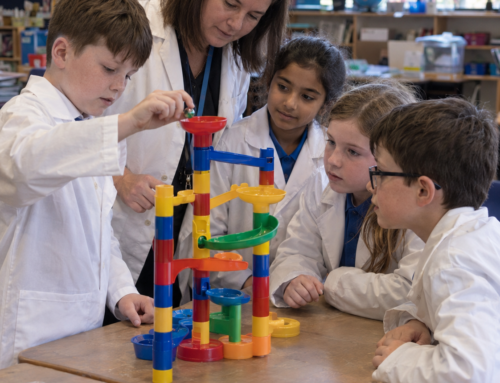
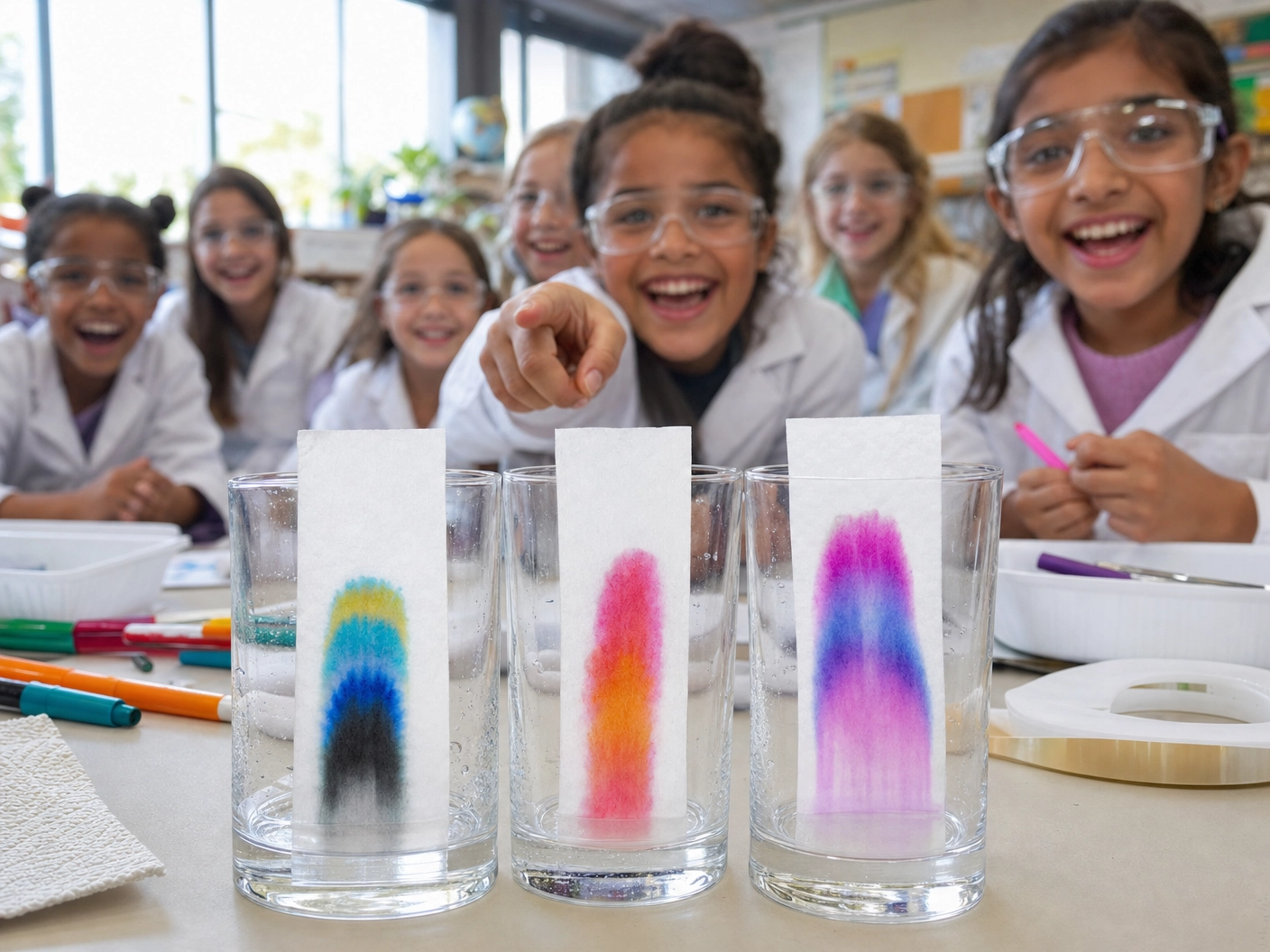
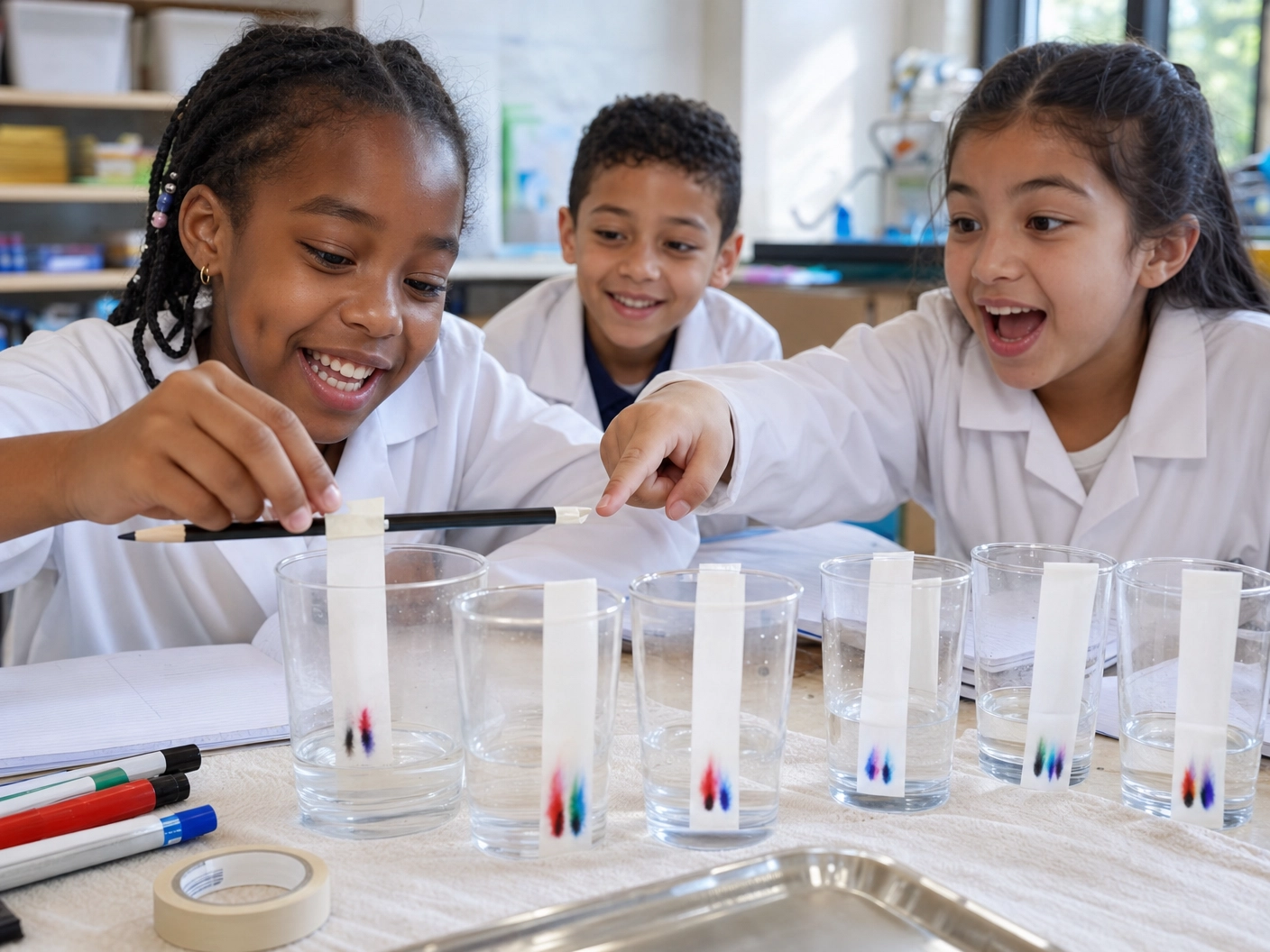
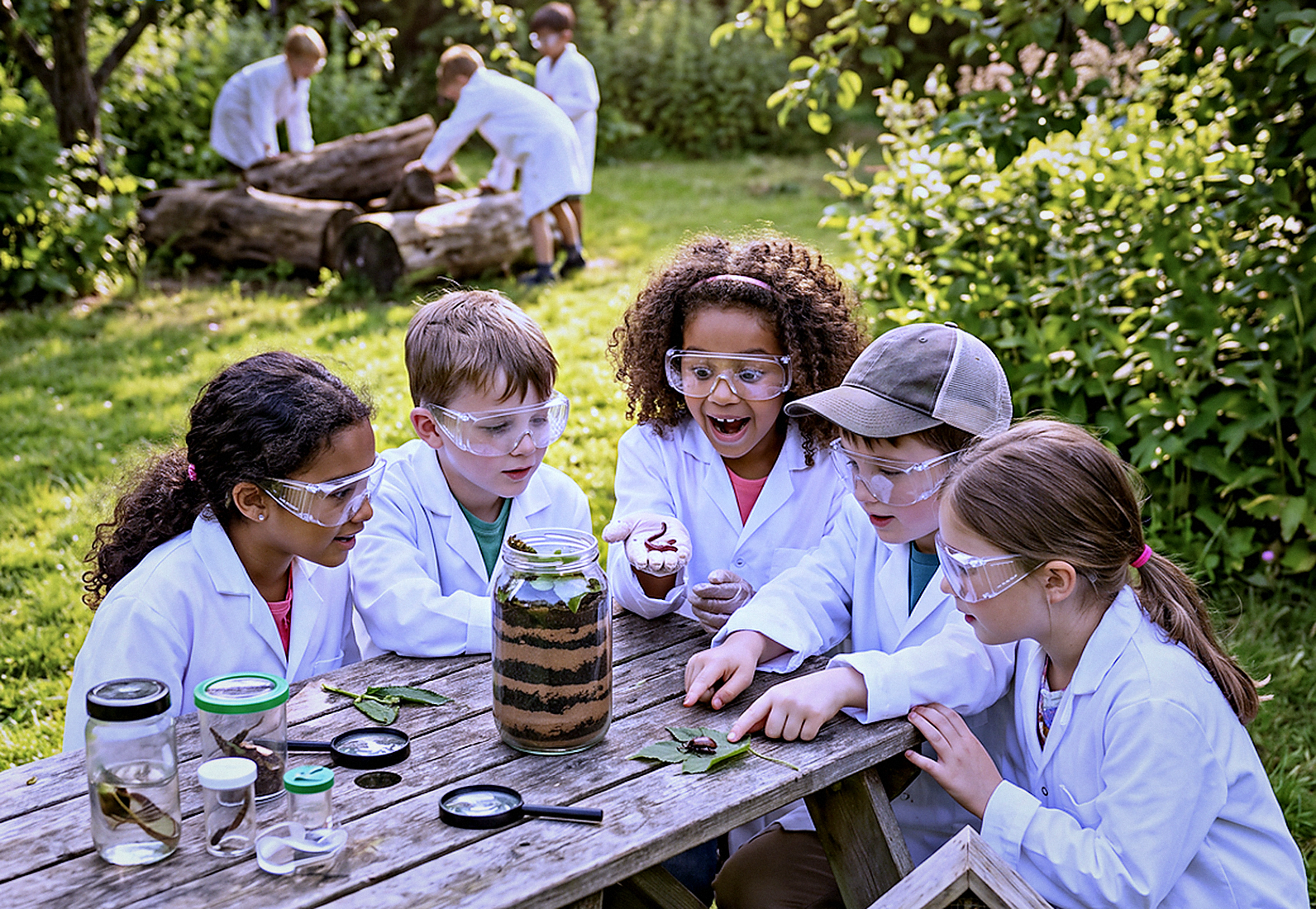
Screen-free. Completely. They are not watching videos or filling worksheets. They are at a bench with real equipment, real questions, and permission to figure things out themselves.
It is messy. Deliberately. They get their hands dirty because that is where learning lives. Chemistry that bubbles and fizzes. Reactions that change colour. Slime that stretches. Potions that look impossible but work. Non-Newtonian fluids. Elephant Toothpaste erupting across the bench.
It is interactive and inquiry-based. A Junior Einstein forms a hypothesis. They test it. It fails. They ask why. They try again. They discover something. That is how critical thinking actually builds. Not from being told to think critically. From doing something, getting it wrong, and figuring out what went wrong.
What They’re Really Learning
Yes, they learn science. But the real learning is deeper. They learn how to solve problems because they are at a bench solving them. They learn teamwork because they are working in small groups of four or five, negotiating how to build a rocket that launches, or a bridge that holds weight. They learn resilience and how to embrace failure because half their experiments fail, and they get to discover why that matters.
They learn critical thinking, problem solving, leadership, communication. They learn that making mistakes is how you figure things out. They learn that asking a good question beats having the answer handed to you.
By week four, you notice the shift in how they talk about science. By term’s end, they are the one asking to do more.
The Make-and-Take Is Secondary
Yes, they come home with a fossil they cast, a working rocket, slime, a periscope, a working circuit. These are real, and they matter. They extend the learning beyond the session. They spark conversations at the dinner table. They sit on the shelf as proof: I did this.
But the take-home object is not the point. The point is the child who built it, tested it, explained it, and left that club knowing they can do hard things.
Where and How to Book
After-School Science Clubs run weekly, Monday through Friday, at primary schools. Some communities also have Saturday Science Clubs in local spaces.
Find your club and book your child’s place: https://junioreinsteinsscienceclub.com/science-clubs-list/
Years and years of curriculum. New every week. Screen-free. Hands-on. Messy. Real.
#AfterSchoolClub #SaturdayClub #ScienceClub #JuniorEinsteins #JuniorEinsteinsScienceClub #STEMeducation #HandsOnScience #KidsScience #ScreenFree #IgniteCuriosity #HandsOnLearning #ScienceForKids #FutureScientists #PrimarySchool #STEMKids #ExplorEngageEmpower #WeeklyClub #ScienceEducation